









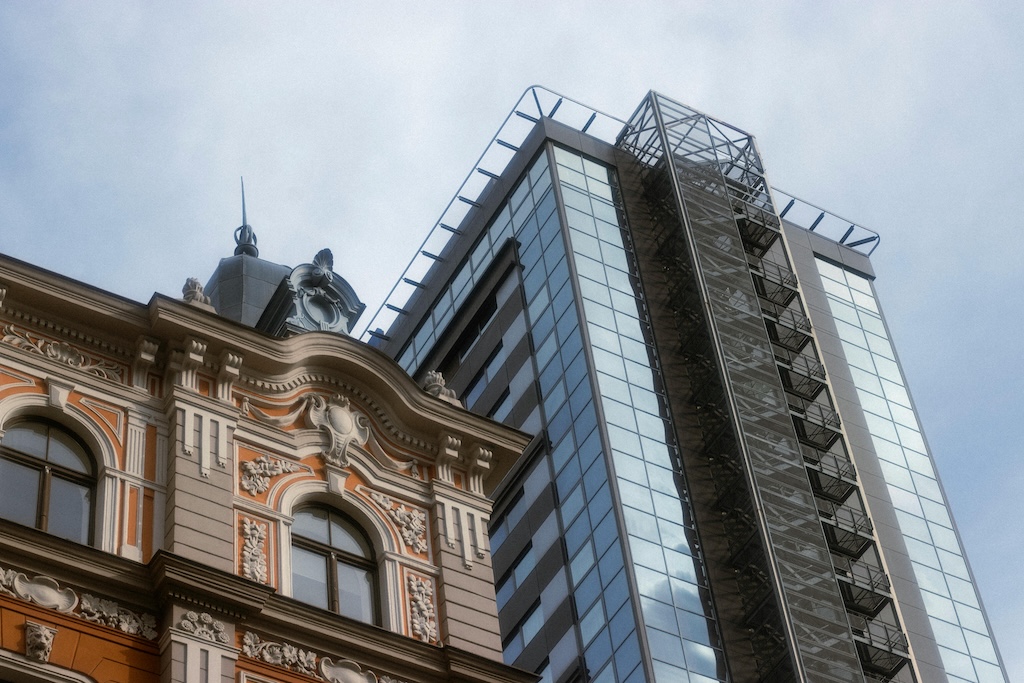
The Future of Architecture: Designing Resilient Cities for a Changing World
Architecture has always been a mirror of civilization. From the grandeur of ancient temples to the glass towers piercing modern skylines, each era builds a reflection of its values, ambitions, and technologies. Today, architecture stands at another inflection point — one shaped not just by aesthetics but by resilience, sustainability, and economic evolution.
As cities expand and climate pressures mount, architects are redefining how humanity builds. The goal is no longer simply beauty or function — it’s creating spaces that endure, adapt, and thrive in uncertain futures.
The Shift Toward Resilient Urban Design
Over half of the world’s population already lives in urban areas, and by 2050, that number will rise to nearly 70%. This demographic tidal wave is transforming architectural priorities. Urban planners and architects must design not only for density and mobility but also for flexibility and sustainability.
Resilient architecture emphasizes structures that withstand environmental, social, and economic challenges. This includes flood-proofing coastal developments, integrating renewable energy sources, and designing public spaces that promote social cohesion.
Singapore’s Marina Bay district, for example, offers a case study in forward-thinking urbanism. Built with sustainability in mind, its development integrates water management, green space, and cutting-edge architecture to mitigate urban heat and flooding — issues that plague many modern megacities.
Sustainability as a Economic Imperative
Sustainable architecture is no longer a fringe trend; it’s an economic strategy. Energy-efficient design reduces long-term operational costs, and green certifications enhance asset value. Investors and developers increasingly view sustainability as a form of financial risk management.
The rise of ESG (Environmental, Social, and Governance) reporting has accelerated this shift. Buildings that align with sustainability goals can command higher rents, attract premium tenants, and secure financing more easily. For example, green-certified office buildings in global financial centers often experience stronger demand than conventional properties.
Architects who understand these market forces — and design accordingly — have a growing influence not just on urban landscapes but on corporate balance sheets.
Technology’s Role in Shaping Modern Architecture
Technology is the invisible hand transforming today’s building design and construction processes. From AI-driven modeling software to drone site surveying and 3D printing, digital tools are redefining what’s possible in architecture.
Building Information Modeling (BIM) allows architects to collaborate with engineers, contractors, and clients in a unified digital environment, reducing waste and error. Meanwhile, smart sensors integrated into building systems can monitor energy usage, lighting, occupancy, and temperature to enhance efficiency and occupant comfort.
Even the materials are evolving. Next-generation composites and self-healing concrete promise longer structure lifespans and reduced maintenance costs — perfect for future-ready urban planning.
Human-Centered Design Returns to the Forefront
In the race toward futuristic architecture, one concept remains timeless: human-centered design. Modern architects are reviving this principle, focusing on how people experience space rather than solely how it looks or performs.
The COVID-19 pandemic accelerated this shift by reminding cities that public health depends heavily on the built environment. Airflow design, shared outdoor spaces, and adaptable interiors became architectural priorities overnight. Developers began asking how buildings could support psychological well-being — a theme that continues to influence post-pandemic planning.
Open-air offices, biophilic design (integrating natural elements), and community-oriented mixed-use developments are reshaping how people interact with cities. The goal is architecture that not only functions efficiently but also nurtures human connection.
Cultural Preservation in a Globalized World
As global urbanization accelerates, preserving cultural identity through architecture has become an increasingly pressing concern. Iconic skylines may symbolize progress, but they risk erasing local heritage.
In response, architects worldwide are integrating traditional design elements with modern innovation. The Aga Khan Development Network, for example, promotes projects that blend Islamic architectural motifs with contemporary sustainability practices — from adaptive shading to energy-efficient ventilation systems.
This fusion approach keeps architectural heritage alive while aligning it with global environmental and economic demands.
Climate Adaptation and the Rise of Green Architecture
Climate change remains the single greatest challenge facing architecture in the 21st century. Rising sea levels, heatwaves, and resource scarcity are forcing architects to think beyond aesthetics — toward structural adaptation.
Green roofs, renewable building materials, and passive solar design are becoming standard features of resilient architecture. Urban forests, vertical gardens, and water-sensitive landscapes not only beautify cities but also reduce heat islands and manage stormwater.
In Copenhagen, the climate-resilient neighborhood model exemplifies this thinking. Planners reimagine streets as flexible drainage systems, turning potential flood zones into public spaces when dry. Such adaptive design transforms urban vulnerability into architectural opportunity — an approach every global city can learn from.
The Economics of Design: Investing in Infrastructure That Lasts
Architecture doesn’t exist in isolation — it’s shaped by and shapes economies. The infrastructure investment wave seen across developed and emerging nations underscores the vital role architecture plays in long-term financial growth.
Beyond the direct costs of construction, well-designed infrastructure creates compounding economic benefits — attracting businesses, raising property values, and improving quality of life. As governments and investors funnel resources into sustainable urban development, architectural innovation becomes a measurable economic asset.
For corporate developers and municipalities alike, investing in resilient design is no longer optional. It’s a competitive advantage.
Looking Ahead: The Architecture of Tomorrow
The next decade will redefine what architecture means. Smart cities will rely on networks of connected, self-regulating buildings. AI will optimize urban layouts in real-time. Architects will become data interpreters as much as designers. Yet, amid this transformation, the central principle remains unchanged — architecture must serve humanity.
The future of architecture isn’t just about technology or sustainability; it’s about resilience in the broadest sense — enduring environmental shifts, social evolution, and economic transformation. The buildings we design today will shape the ecosystems of tomorrow.
Architects, investors, and urban planners who recognize this interconnected future stand to not only influence the skylines of the 21st century but also define how society lives within them.